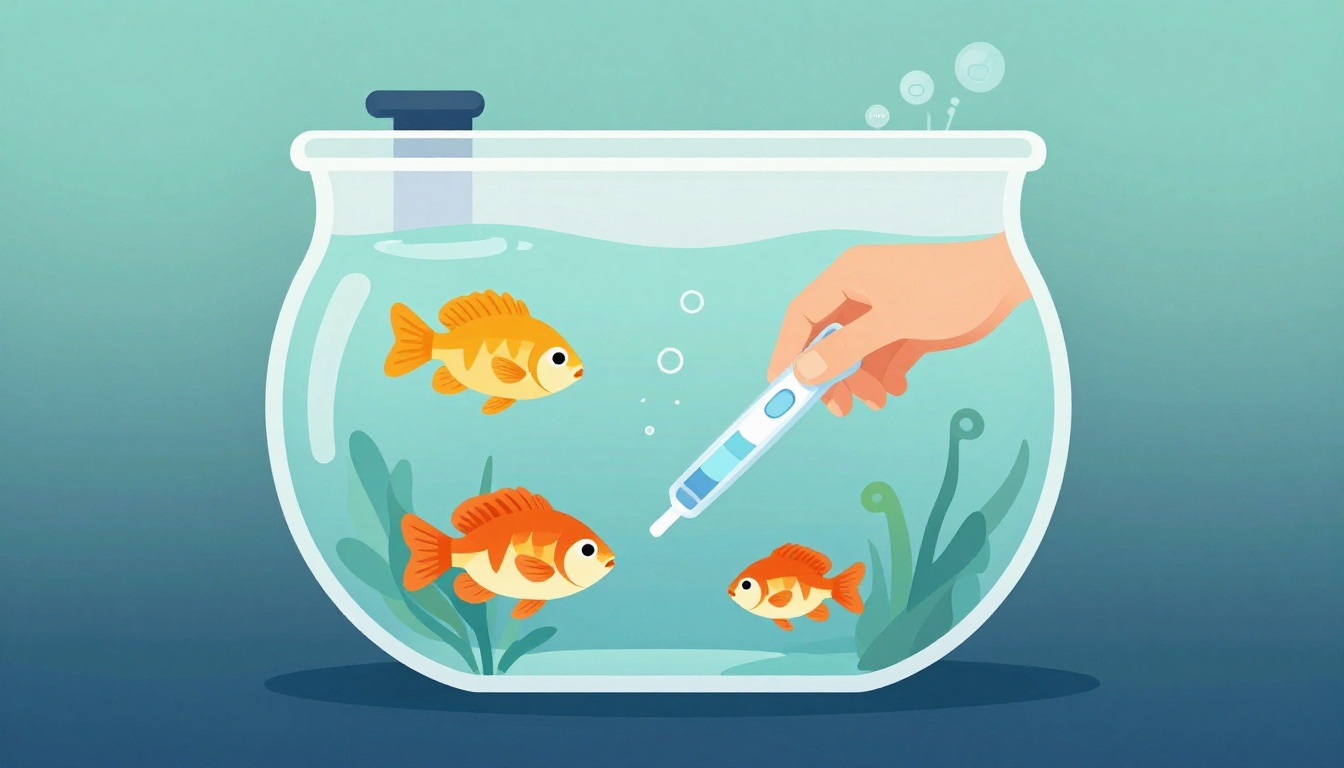
You add your first fish to the tank. Everything looks perfect. A week later, fish gasp at the surface. They hide or dart around. Your aquarium crashed from invisible killers: ammonia, nitrite, and nitrate.
These compounds come from the nitrogen cycle. Fish waste breaks down into ammonia, a top toxin. Bacteria then turn it into nitrite, still deadly. Finally, it becomes nitrate, safer but harmful in excess. High levels stress fish, damage gills, and cause death. Beginners often miss this cycle. They lose tanks fast.
This guide shows you how to test these levels at home. You’ll learn simple steps, pick the right kits, read results, and fix problems. No guesswork. Just clear actions for a thriving tank. Ahead, we cover the cycle basics, kit choices, testing how-to, result fixes, and daily tips.
Unlock the Nitrogen Cycle: Ammonia, Nitrite, and Nitrate Explained Simply
Fish tanks run on a natural process called the nitrogen cycle. Waste builds up. Bacteria process it in stages. First comes ammonia from poop and leftover food. Then nitrite forms. Nitrate follows last. Each step matters. Skip understanding, and tests confuse you.
Think of it like a waste factory. Raw garbage arrives as ammonia. Workers change it to nitrite. Cleaners finish with nitrate. You control the factory. Balance keeps fish safe.
Ammonia: The Silent Killer from Fish Waste and Decaying Food
Ammonia starts it all. Fish excrete it through gills. Uneaten food rots into it. Dead plants add more. New tanks lack bacteria to handle it.
This toxin burns fish gills. They gasp for air. Fish grow lethargic or red. Safe level stays at 0 ppm. Even 0.25 ppm harms sensitive species. New setups spike here first. Test early to catch it.
Nitrite: The Sneaky Second Threat After Ammonia
Bacteria convert ammonia to nitrite. It builds during tank cycling. Sources match ammonia’s but shift as bacteria grow.
Nitrite enters blood. It blocks oxygen carry. Fish suffer “brown blood disease.” They breathe hard. Safe level? Zero ppm again. Spikes hit around week two in new tanks. Watch close.
Nitrate: The Buildup That Stresses Fish Over Time
Good bacteria turn nitrite to nitrate. It’s the least toxic. Plants absorb it. But it accumulates without help.
High nitrate, over 40 ppm, weakens immunity. Algae explodes. Fish stunt growth. Keep under 20 ppm for light stocking. Up to 40 ppm works for heavy plants. Regular changes control it.
Choose Beginner-Friendly Test Kits That Deliver Accurate Results
Pick a kit that fits your routine. Liquid tests shine for precision. Strips offer speed. Digital tools add tech. Match to freshwater or salt. Costs range from $10 to $100. Buy from pet stores or online.
Store kits cool and dry. Check expiration. Fresh reagents matter. Start with a multi-test kit. It covers all three parameters.
Liquid Test Kits: Gold Standard for Reliable Readings
Liquids use drops and color charts. They beat strips in accuracy. API Freshwater Master Test Kit tests all three. Add sample water. Drop reagent. Shake. Compare color after five minutes.
Pros include detail. One kit lasts months. Cons? Mixing takes practice. Great for weekly checks.
Test Strips: Fast and Simple for Daily Checks
Dip a strip. Wait 60 seconds. Match colors. Tetra EasyStrips work well. They test ammonia, nitrite, nitrate plus pH.
Speed wins here. No vials needed. However, colors fade fast. Less precise than liquids. Use for quick scans.
Digital Testers: Tech-Savvy Option Without Guesswork
Devices like Seneye read levels electronically. Apps show trends. No color matching.
They log data over time. Pricey upfront, though. Upgrade after basics. Ideal for big tanks.
Step-by-Step: How to Test Your Aquarium Water Correctly Every Time
Test weekly. Do it same time, same light. Clean tools first. Wear gloves if kids around. Siphon water from mid-depth. Avoid bottom gravel or surface film.
Use fresh sample. Test within 10 minutes. Rinse glassware between steps. Old reagents skew results. Follow kit instructions exactly.
Gather Your Sample and Set Up for Success
Turn off lights. Siphon one cup from center. No bubbles. Pour into clean test tube. Label if needed.
Work in even light. Natural or white LED works best. Shake reagents well.
Run the Ammonia Test Without Errors
Add 5 ml water to tube. Drop 8 drops ammonia reagent. Cap. Shake hard. Wait five minutes.
Match color to chart. Blue means zero. Yellow signals trouble. Rinse tube right after.
Test Nitrite and Nitrate in Minutes
For nitrite, same water amount. Two drops reagent. Shake. One minute wait. Purple is bad.
Nitrate needs more drops, often 10. Five minute timer. Deeper colors show buildup. Do all tests same session.
Interpret Results Fast: Safe Levels and Fixes for Trouble
Zero ammonia and nitrite. Nitrate under 20 ppm for most tanks. Adjust for stocking. Watch fish too. Gasping means act now.
| Parameter | Safe Level (Freshwater) | Warning | Danger |
|---|---|---|---|
| Ammonia | 0 ppm | 0.25 ppm | 0.5+ ppm |
| Nitrite | 0 ppm | 0.25 ppm | 0.5+ ppm |
| Nitrate | <20 ppm (light stock) | 20-40 ppm | 40+ ppm |
This table guides quick checks. Lightly stocked tanks need lowest nitrate.
What Good Numbers Look Like in Your Tank
Match your setup. Community tanks tolerate 40 ppm nitrate max. Goldfish push for under 20. Plants raise safe limits.
High Ammonia? Stop the Cycle Crash Now
Overfeed causes most spikes. Do 50% water change. Match temperature. Stop feeding two days. Add bottled bacteria. Vacuum gravel. Retest daily.
Tackle Nitrite and Nitrate Spikes Head-On
Nitrite needs bigger changes, 75%. Boost good bacteria. For nitrate, add plants. Fast-growing ones suck it up. Change 25% water weekly long-term.
Daily Habits That Keep Tests Passing Long-Term
Feed small amounts. What fish eat in two minutes. Vacuum gravel weekly. Add live plants early. They eat nitrate.
Avoid overstocking. One inch fish per gallon rule. Use auto water changers for ease. Test monthly after cycle stabilizes.
Bust myths. Strips alone won’t cut it. Liquids confirm. Schedule reminders on your phone.
Testing saves tanks. Master the cycle first. Grab a reliable kit like API liquids. Practice steps weekly. Fix spikes with water changes and bacteria.
Your fish thank you with health. Start today. Share your first test results in comments. What kit do you use? Happy aquariums await.