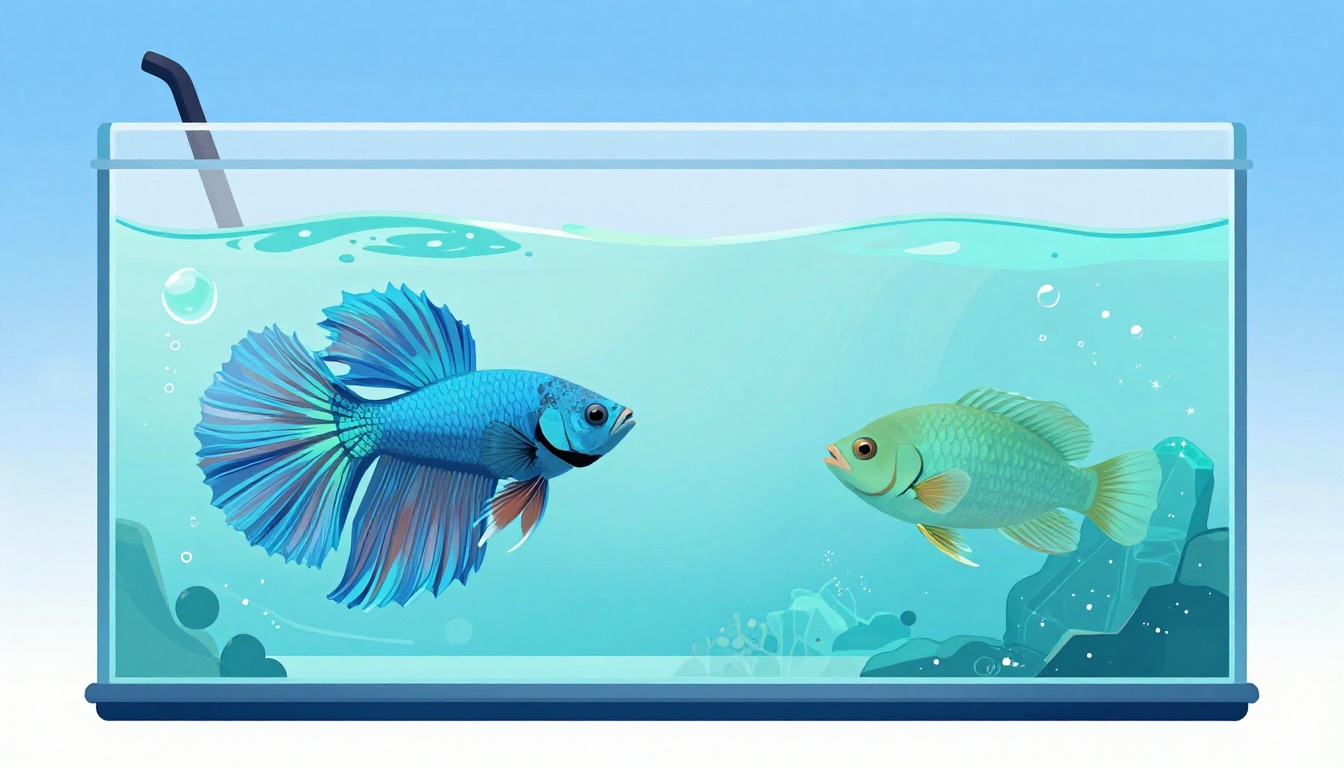
Imagine walking into your living room to find your prized fish gasping at the surface or floating belly-up. You fed them on time, cleaned the tank regularly, but ignored the water chemistry. That sudden disaster often stems from wrong pH or hardness levels.
pH measures if your water leans acidic or alkaline, while hardness tracks minerals like calcium and magnesium. Fish absorb these through their gills constantly, so mismatches stress their bodies, spark diseases, or cause death. For example, bettas crave soft, acidic water around 6.5 pH, but African cichlids demand hard, alkaline setups above 7.8.
Different species have strict preferences, yet many hobbyists overlook this. In this post, we’ll break down the basics, share ideal ranges for popular fish, explain testing and adjustments, plus ongoing maintenance tips. Follow along, and you’ll keep your tank thriving with healthy, vibrant fish. Let’s dive into the fundamentals first.
Unlock the Secrets of pH and Water Hardness in Aquariums
You already know pH and hardness matter for your fish. But let’s get clear on what they really mean. Understanding these basics helps you spot issues before they harm your tank.
pH runs on a scale from 0 to 14. Low numbers mean acidic water; high numbers signal alkaline conditions. Neutral sits right at 7, like pure rainwater.
Fish gills act like lungs for water chemistry. Wrong pH burns those gills, much like you’d choke on bad air. So, always match pH to your species’ needs.
What pH Does in Your Aquarium
pH shifts daily in tanks from fish waste or plant decay. However, big swings stress fish most. For example, tetras prefer acidic water around 6.0 to 7.0.
Test often because pH affects everything from breathing to digestion. Stable levels keep fish calm and active. Ignore it, and you invite fin rot or ich.
In addition, decorations like driftwood lower pH naturally. Rocks raise it instead. Choose tank items wisely for steady results.
Decoding Water Hardness: GH and KH Explained
Hardness comes from minerals such as calcium and magnesium dissolved in water. GH measures total minerals, or general hardness. KH tracks carbonates and bicarbonates, called carbonate hardness or alkalinity.
Think of GH as the tank’s bone structure; it supports fish osmoregulation. KH buffers pH crashes, like a safety net. Low KH means sudden drops that kill fish.
Soft water has low GH under 50 ppm; hard exceeds 200 ppm. Most community fish thrive at moderate levels. Test both GH and KH separately for full control.
Your tap water sets the base. Soften it with RO units if needed. Boost hardness with salts or cuttlebone.
Why Wrong Levels Hurt Your Fish
Imbalanced pH or hardness triggers stress first. Fish hide, stop eating, or flash against rocks. Diseases follow because weak immunity lets bacteria win.
Poor breeding happens too. Eggs fail to hatch in mismatched water. Slime coat thins without proper hardness, inviting parasites.
For instance, discus need soft, acidic setups. Hard water shreds their coat. Match parameters closely, and your fish breed successfully.
Healthy tanks mimic nature. Amazon fish love soft, acidic rivers. Rift Lake cichlids demand hard, alkaline depths.
Quick Ranges for Freshwater and Saltwater
Here are general targets to start with. Adjust for your species later.
| Water Type | pH Range | GH (ppm) | KH (ppm) |
|---|---|---|---|
| Freshwater | 6.5-7.5 | 50-200 | 50-150 |
| Saltwater | 8.1-8.4 | 7000-14000 | 7000-12000 |
These ranges suit most setups. Freshwater stays flexible; saltwater runs stable and high. Check your test kit results against them often.
Match these to your fish, and problems fade. Your tank turns vibrant as a result. Next, we’ll cover species-specific needs.
Tailored pH and Hardness Levels for Your Favorite Fish Species
Different fish come from unique habitats. So, you must tweak pH and hardness to match. This section covers five popular species. You’ll find ideal ranges, reasons behind them, and mismatch warning signs. Always change parameters slowly over days. Sudden shifts shock fish and cause stress.
Betta Fish: Comfort in Slightly Acidic Soft Water
Bettas hail from slow Asian waters. They thrive in soft, slightly acidic conditions. Low minerals prevent gill irritation. High hardness dries their skin instead.
Here’s what they need:
| Parameter | Ideal Range |
|---|---|
| pH | 6.5-7.5 |
| GH (dGH) | 3-8 |
| KH (dGH) | 3-6 |
Set up a cozy tank with live plants like Java moss or Anubias. These stabilize pH naturally. Add driftwood or almond leaves for tannins that soften water further. Avoid limestone rocks; they raise pH too much.
Watch for clamped fins or lethargy if levels drift. Fish gasp or hide often. Test weekly and adjust with peat moss in filters for gradual softening.
Goldfish: Build Resilience with Moderately Hard Water
Goldfish varieties like comets or fantails handle cooler water well. They build strong bodies in moderate hardness. Calcium supports their fast growth and swim bladders.
Key ranges include:
| Parameter | Ideal Range |
|---|---|
| pH | 7.0-8.0 |
| GH (dGH) | 8-20 |
| KH (dGH) | 6-12 |
Keep tanks spacious with coldwater setups around 65-72°F. Use crushed coral in filters to buffer KH. Live plants such as hornwort tolerate goldfish nibbling and aid stability.
Signs of trouble show as bloating or white spots. They swim listlessly because soft water weakens bones. Boost hardness gradually with Seachem Equilibrium if tap water falls short.
African Cichlids: High pH and Hard Water Mimics Their Home
These bold fish rule African rift lakes. Lake Malawi cichlids prefer higher pH and very hard water from rocky shores. Tanganyika species like slightly lower pH but still demand minerals for shell-building snails they mimic.
Target these for Malawi:
| Parameter | Ideal Range |
|---|---|
| pH | 7.8-8.6 |
| GH (dGH) | 10-25 |
| KH (dGH) | 12-20 |
Stack African rocks like limestone or aragonite. They dissolve slowly to raise hardness. Skip plants; cichlids uproot them. Aeration keeps oxygen high in alkaline setups.
Mismatch causes faded colors or aggression spikes. Fish scrape gills on rocks from low minerals. Raise levels bit by bit with cichlid salts over a week.
Neon Tetras: Mimic Amazon Blackwater Conditions
Neon tetras school in soft Amazon rivers stained by leaves. Very soft, acidic water lets them absorb nutrients easily. Hardness blocks their delicate gills.
Ideal setup matches:
| Parameter | Ideal Range |
|---|---|
| pH | 6.0-7.0 |
| GH (dGH) | 1-5 |
| KH (dGH) | 1-4 |
Add Indian almond leaves or oak leaves for tannins. They lower pH naturally and fight bacteria. Pair with Amazon swords or floating plants for shade.
Flickering fins signal wrong levels. Colors fade fast in hard water. Use RO water mixed with tap, plus catappa bark, to soften gradually.
Discus: Master Ultra-Soft Acidic Parameters for Breeding Success
Discus demand perfection from Amazon depths. Ultra-soft acidic water ensures breeding and slime coat health. Serious hobbyists succeed here.
Precise ranges are:
| Parameter | Ideal Range |
|---|---|
| pH | 6.0-7.0 |
| GH (dGH) | 1-3 |
| KH (dGH) | 1-2 |
Frequent 25% water changes with aged RO water keep it pristine. Install sponge filters for gentle flow. Fine sand substrate and dense plants like Cabomba complete the setup.
Stress shows as dark bars or failed spawns. Hard water halts eggs from hatching. Advanced tip: prime with electrolyte salts pre-breeding, but change slowly to avoid shocks.
Master Accurate Testing of Your Tank’s pH and Hardness
You know your fish need the right pH and hardness. But guessing won’t cut it. Accurate testing keeps you ahead of problems. Pick reliable kits, follow a routine, and read results like a pro. This approach saves your fish and your sanity. Let’s start with the best tools.
Top Test Kits and Tools Every Aquarist Needs
Liquid drop tests beat strips every time. Strips fade fast and lack precision. Drops give clear color changes you can trust. For beginners, grab affordable options first. Digital tools add accuracy later.
The API Master Test Kit covers pH, GH, KH, plus ammonia, nitrite, and nitrate. It’s cheap and complete for weekly checks. However, color matching takes practice.
Seachem MultiTest kits target pH, GH, and KH separately. They use titration for spot-on results. In addition, they last longer than master kits.
Hanna Checkers offer digital reads with colorimeters. No guessing colors at all. Most importantly, they handle low ranges well for soft-water fish.
Here’s a quick comparison:
| Kit/Tool | Pros | Cons | Best For |
|---|---|---|---|
| API Master Kit | Affordable, all-in-one tests | Subjective color charts | Beginners, full tank checks |
| Seachem MultiTest | High precision, long shelf life | Tests one parameter per kit | Specific GH/KH accuracy |
| Hanna Checkers | Digital, objective readings | Higher upfront cost | Pros, frequent testing |
| pH Pen (e.g., Apera) | Instant digital pH | Needs calibration, pH only | Quick daily spot checks |
Start with API if you’re on a budget. Upgrade to Hanna for discus or tetras. Always store kits cool and dark. They stay fresh that way.
Your Simple Step-by-Step Water Testing Routine
Test water right, and issues vanish. Do it weekly for stable tanks. New setups need daily checks until balanced. Collect samples mid-tank, away from filters. Safety first: wear gloves if sensitive to chemicals. Shake reagents well before use.
Follow these steps:
- Gather your sample. Scoop 5 ml fresh tank water into a clean test tube. Avoid air bubbles. Use room-temp water for best results.
- Test pH first. Add drops as instructed. Mix gently. Match the color to the chart after 5 minutes. For example, pH 5.5 means too acidic for goldfish or cichlids; raise it slowly.
- Check GH next. Add reagent to a new sample. Count drops until color shifts. Low GH under 3 dGH suits tetras. High over 20 stresses bettas.
- Finish with KH. Repeat in another tube. KH under 3 risks pH crashes. Aim for 4-12 in most tanks.
- Record and compare. Log results in a notebook or app. Match against your fish’s ideal ranges from earlier.
Troubleshoot fakes: Old kits give wrong colors; replace yearly. Dirty tubes skew reads; rinse with tank water only. Contaminated samples from filters fool you too.
Interpreting matters most. pH 8.0 fits cichlids but burns neons. GH 15 builds goldfish strength yet softens for discus with RO mixes. Adjust small amounts over days. Your fish thank you with bright colors and energy. Test consistently, and your tank stays perfect.
Safe Step-by-Step Fixes to Balance pH and Hardness
You tested your water and spotted imbalances. Don’t panic. Fix pH and hardness slowly over days to avoid shocking fish. Sudden changes stress gills and trigger diseases. Natural methods work best first because they mimic habitats gently. Chemicals help when needed, but start small and retest after 24-48 hours. Always match your species’ needs from earlier sections. Let’s cover raising and lowering safely.
Boost pH and Hardness Without Harming Your Fish
Raise pH and hardness gradually for goldfish or African cichlids. Crushed coral in your filter boosts KH and pH naturally as it dissolves. Add a handful per 10 gallons; it raises KH by 2-4 dKH over a week.
Baking soda handles KH quick but use sparingly. Dissolve 1 teaspoon in a gallon of tank water, then add 1 cup of that mix per 50 gallons. This bumps KH by about 4 dKH and pH by 0.2-0.4. Stir well and wait 24 hours before retesting.
For GH, try calcium chloride or Seachem Equilibrium. Mix 1/4 teaspoon Equilibrium per 20 gallons to raise GH by 3 dGH. It adds calcium and magnesium without spiking sodium. African cichlid salts work similarly; follow package doses.
One hobbyist shared success with Malawi cichlids. Their KH sat at 5; they added crushed coral and Equilibrium over 5 days. Colors brightened, and aggression dropped as fish thrived.
Here’s a simple dosage table for a 55-gallon tank:
| Method | Amount | Effect (approx.) |
|---|---|---|
| Crushed Coral | 1-2 cups in filter | +2-4 dKH/week |
| Baking Soda | 1.5 tsp diluted | +4 dKH, +0.3 pH |
| Seachem Equilibrium | 1.5 tsp | +3-5 dGH |
Monitor fish behavior closely. If they gasp, stop and dilute with old water.
Gently Lower pH and Soften Water the Right Way
Lower pH and soften for bettas, tetras, or discus using nature first. RO water dilutes minerals best. Mix 25-50% RO with tap over water changes to drop GH by half gradually.
Peat moss or catappa leaves acidify softly. Stuff a mesh bag with 1 cup peat per 20 gallons in your filter. It releases tannins, lowering pH by 0.5-1.0 over days while softening. Catappa drops one leaf per 10 gallons weekly; replace as they break down.
Rainwater works too if clean. Use 20-30% in changes for soft, acidic boosts. Seachem Prime conditions it safely by removing chlorine.
Skip vinegar; it crashes pH short-term without buffering. A tetra keeper fixed hard tap water this way. They blended RO and peat over a week. Schooling improved, and neon stripes glowed again.
Quick guide for 55 gallons:
| Method | Amount | Effect (approx.) |
|---|---|---|
| RO Water Mix | 25% replacement | -50% GH |
| Peat Moss | 3 cups in filter | -0.5-1.0 pH/week |
| Catappa Leaf | 5-6 leaves | Softens + acidifies |
Retest after 48 hours. Fish perk up in balanced water. Patience pays off here.
Daily Habits and Weekly Checks for Stable Water Year-Round
Consistency keeps pH and hardness steady after you set them right. Daily habits spot small drifts before they harm fish. Weekly checks lock in those efforts. You build a routine now, and your tank runs smooth all year. Plants and aeration help too because they buffer naturally. Let’s break it down.
Simple Daily Habits to Catch Issues Early
Start each day with a quick tank scan. Watch fish behavior first. Do they swim actively or hide? Gasping means low oxygen or pH swings, so check aeration. Healthy fish dart and eat with gusto.
Feed sparingly to avoid ammonia spikes. Overfeeding drops pH fast from waste buildup. Drop food they finish in two minutes. Besides, vacuum leftovers right away.
Top off evaporated water daily with matched parameters. Use a dechlorinated mix at the same pH and hardness. This prevents concentration shifts. For example, goldfish tanks lose more water in summer heat. Match it closely, and levels stay put.
Observe plants too. Dense growth absorbs nitrates that tweak pH. Trim dead leaves weekly during your check. Healthy plants stabilize everything naturally.
Essential Weekly Checks and Water Changes
Perform a 25% water change every week. Match new water to tank pH, GH, and KH exactly. This refreshes minerals without shocks. Test before and after to confirm.
Run full tests on pH, GH, and KH mid-week. Log results in a simple app or notebook. Compare to your species’ ranges, like 6.0-7.0 for neons. Small drifts get fixed fast.
Clean filter media gently. Rinse in tank water only to keep good bacteria alive. Clogged filters raise ammonia and crash pH. Also, wipe glass algae for clear views.
Quarantine new fish always. They bring hidden issues that unbalance chemistry. Wait two weeks minimum.
Adjust for Seasons and Troubleshoot Crashes
Tap water changes with seasons. Test it monthly because summer heat or winter treatments alter hardness. Mix RO if needed for soft-water fish.
Crashes happen from power outages or overstocking. pH drops signal low KH; add baking soda slowly. Fish flashing means irritation; retest GH. Act within hours.
Long-term, install auto top-off systems. They add water automatically and match parameters. pH controllers monitor and adjust electrically for pros.
Quick Stability Checklist
Use this list before bed each week:
- 25% water change with matched water
- Test pH, GH, KH; log results
- Feed control: no leftovers
- Filter rinse in tank water
- Fish behavior normal?
- Top-off daily as needed
- Plants trimmed, aerator strong
Follow it, and your bettas, cichlids, or tetras thrive year-round.
Conclusion
You now know how to match pH and hardness to your fish species. Bettas love soft acidic water. Cichlids demand hard alkaline setups. So, start there for a thriving tank.
Test weekly because drifts sneak up fast. Adjust slowly with natural methods like peat or coral. Then, build daily habits such as matched water changes. These steps keep levels stable year-round.
Picture your fish darting happily instead of gasping at the top. Healthy parameters mean lively colors and zero stress. No more disasters from ignored chemistry.
Grab your test kit today and check one parameter. Share your tank setup or toughest fish in the comments below. What species challenges you most? Subscribe for more tips on perfect aquariums.