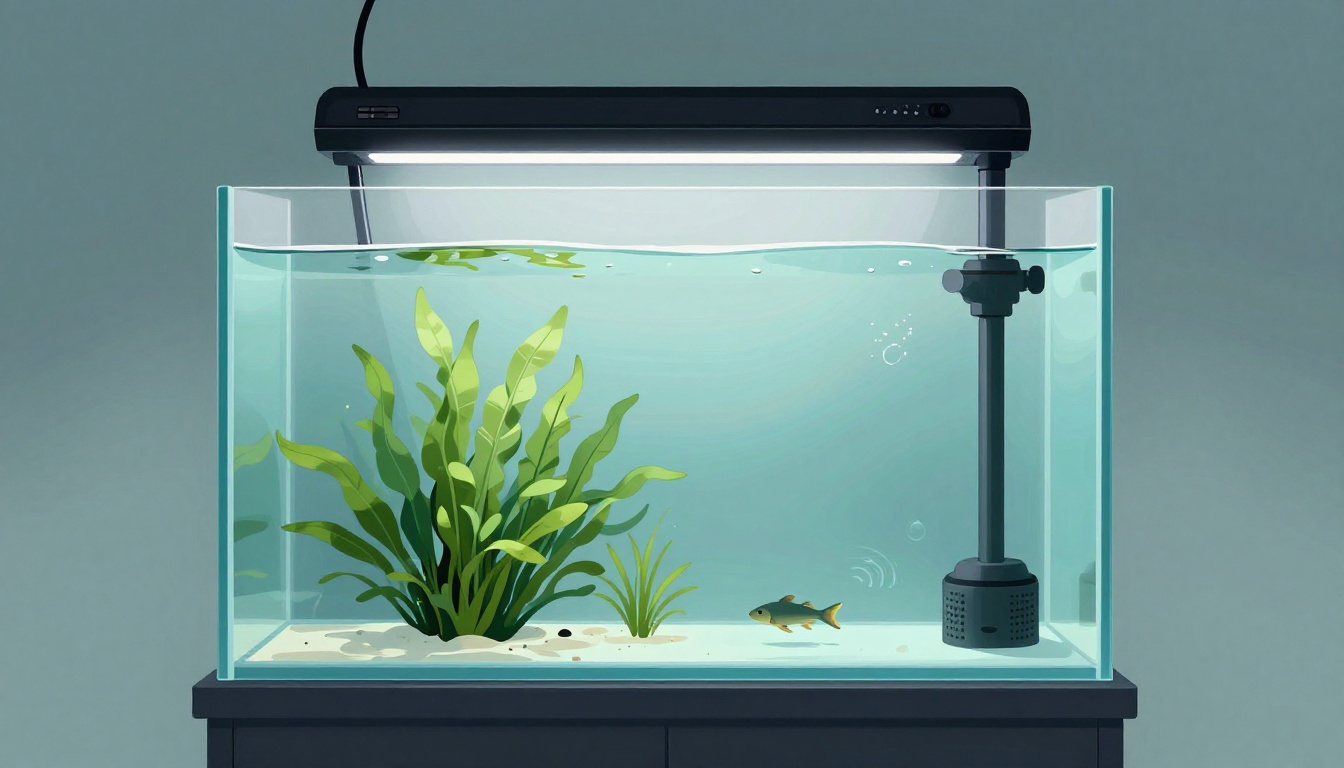
Picture this. You sink into your couch after a long day. Your aquarium lights glow softly. Then a steady buzz cuts through the peace. That noisy air pump or filter intake ruins the calm.
These sounds come from vibrations, air leaks, or clogs. They stress your fish and wear out gear fast. You need fixes that keep everyone safe, no shocks or broken warranties.
Luckily, simple steps quiet things down quick. You’ll learn to spot the source, try easy tweaks, and add lasting solutions. Follow along for whisper-quiet results today.
Spot the Exact Source of Your Aquarium’s Noise
Noise in your tank setup often hides a clear culprit. Start by unplugging everything first. Dry your hands well. Then listen close and feel for vibes.
This diagnosis takes minutes. No fancy tools needed. You save time and avoid wrong fixes.
Air pumps hum from motor strain. Filters gurgle from air pulls. Pinpoint it right, and the rest gets easy.
Key Signs Pointing to a Noisy Air Pump
Air pumps make a low hum when motors work too hard. It grows louder at night or with low airflow. Vibrations rattle the whole unit against hard spots.
Clicking means a stuck diaphragm inside. Buzzing points to loose parts or old age. Check if it worsens in cool rooms, because cold thickens air.
Feel the unit while it runs. Does it shake strong? Inspect the power cord for frays. Look at tubing for kinks. Never open the pump yourself. Those checks spot 80% of pump issues safe.
In short, pumps buzz steady. They shake more than filters do.
Tell-Tale Sounds from a Troubled Filter Intake
Filters whoosh from cavitation. Air sneaks in and makes bubbles. Rattling comes from a clogged impeller.
Gurgling happens with low water levels. Debris blocks the intake, so water struggles. Visual cracks let air whistle through.
Listen right at the intake tube. Does it suck loud? Check pre-filters for gunk. Low tank water often tricks you into thinking it’s broken.
Meanwhile, debris builds fast in intakes. Spot these signs early. You’ll fix filters without full teardowns.
Easy First Steps to Slash the Noise Instantly
Quick changes cut noise by half or more. Always unplug first. Keep plugs dry and far from water.
These tricks use stuff you have at home. No disassembly risks. Results show in seconds.
Test one at a time. Note what works best for your setup.
Cushion Vibrations with Simple Padding
Hard surfaces amp up shakes. Place your air pump on a foam mousepad. Or fold a towel thick under it.
Rubber mats work great too. Styrofoam scraps from packaging absorb vibes perfect. For filter intakes, wrap tubing loose in foam pipe insulation.
Physics stays simple here. Padding soaks the shakes before they buzz. Noise drops right away.
Pro tip: suspend the pump with bungee cords on a shelf. It floats the vibes away. Test by ear after each pad.
Tweak Air Flow and Tubing for Smoother Operation
Kinked airline tubing starves the pump. Straighten it all. Check for splits that leak air.
Replace old tubing cheap. Adjust the valve knob for steady flow, not full blast. Less strain means less hum.
For intakes, raise your water line an inch. Add a surface agitator if bubbles form wild. Never over-tighten connections, because cracks form easy.
In addition, smooth flow quiets both pumps and filters. You’ll hear the difference fast.
Safe Deeper Fixes That Quiet It for Months
Once basics work, go further. Still unplug and dry everything. No water near electrics ever.
These steps clean and add helpers. They last weeks without harm. Beginner steps keep warranties safe.
Expect 90% quiet after full care.
Clean Inside and Out Without Breaking Anything
Dirt builds noise over time. For filters, follow your manual to open the intake. Rinse the impeller in old tank water only.
No soap, because it kills fish. Wipe the housing gentle. Shake dust from pump vents outside.
Dry all parts full, at least an hour. Restart slow. Clean monthly to stay ahead.
Rinse weekly for intakes in dirty tanks. This alone halves most rattles.
Add Cheap Noise Busters Like Mufflers or Check Valves
DIY mufflers tame pump buzz. Cut a plastic bottle bottom off. Stuff it with a sponge chunk.
Connect inline on the airline. Air slows through sponge, noise muffles soft. Pet stores sell check valves too. They stop water backflow that gurgles.
For intakes, clip a sponge pre-filter over the tube. It blocks debris quiet. Secure all with zip ties tight.
These add-ons cost under five bucks. They pay back in peace quick.

The sponge muffler sits inline perfect.
Relocate for Optimal Quiet Performance
Pumps near tanks shake glass loud. Move yours to a closet shelf with longer tubing. Insulate the spot with towels.
Hang-on-back filters quiet when you adjust their hang. Pull intakes below water deeper.
Test noise before and after moves. Farther spots win big. Noise fades with distance.
In contrast, filters stay tank-side often. Small shifts still help.
Smart Habits to Keep Your Setup Whisper-Quiet Forever
Prevention beats fixes every time. Good habits save stress and cash. Your fish thank you with health.
Start small routines now. Gear lasts years longer.
Happy tanks mean calm nights.
Build a Simple Maintenance Routine
Check water levels daily. Inspect tubing weekly for wear. Deep clean monthly as above.
Use phone reminders. Log issues in notes. Catch clogs before buzz starts.
Weekly vibes checks spot pumps early. This schedule keeps noise gone.
Besides, routines build confidence. You own your tank peace.
Choose and Upgrade Wisely Next Time
Buy pumps rated under 30 decibels. Look for rubber feet built-in. Match gallons per hour to tank size right.
Skip no-name cheapies. They buzz soon. Quality quiet models pay once.
Upgrade filters with quiet impellers. Read reviews for hum-free picks. Size matters most.
Next buy, quiet lasts.

A padded pump setup thrives.
Fish dart happy in calm water. You’ve quieted that noisy air pump or filter intake safe.
Top fixes stick: pad vibrations, clean regular, add mufflers. Safety rules all steps. No risks needed.
Try padding tonight. It works fast. Share your win in comments below.
Subscribe for more tank tips. Pin this for later fixes. Your setup deserves the quiet.