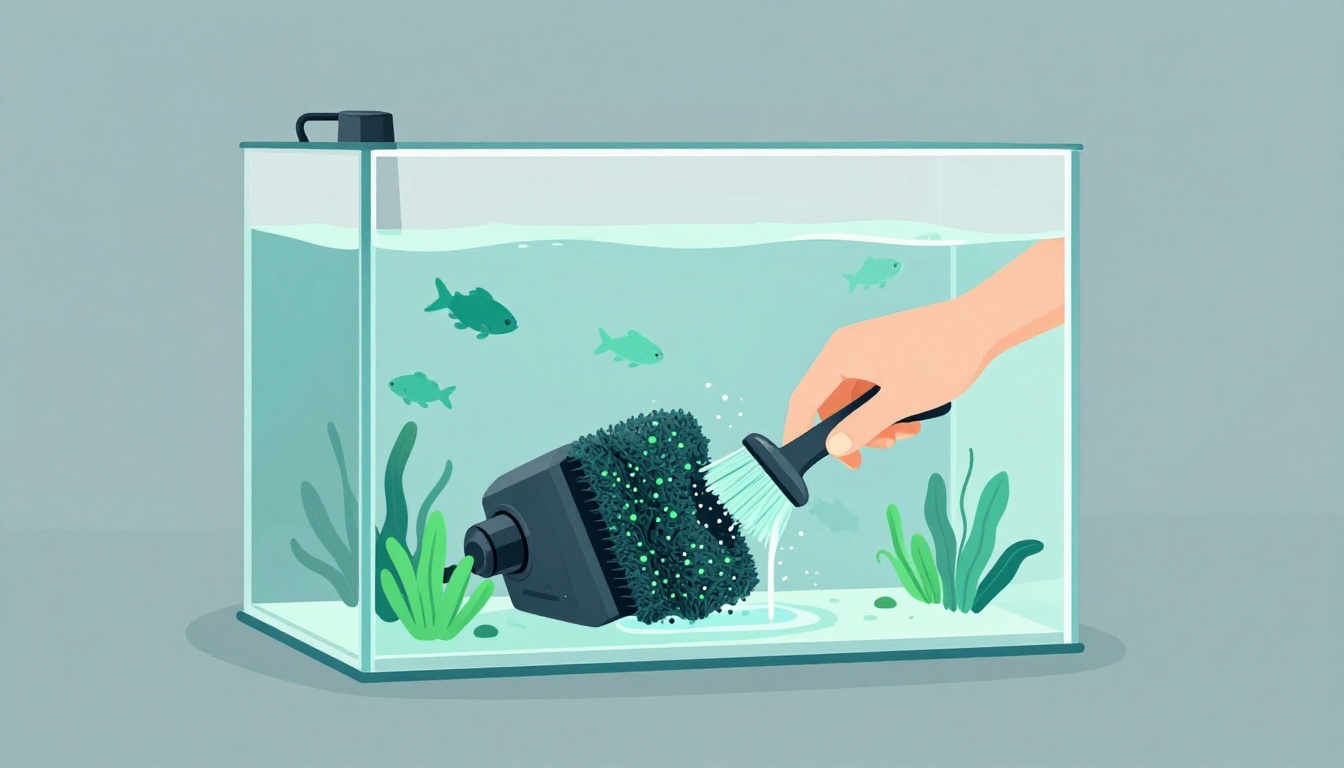
Picture this: Sarah, a brand-new aquarist, beamed with pride over her sparkling 20-gallon tank. She decided to deep-clean her filter one weekend, scrubbing every sponge and rinsing media under hot tap water. By Monday, her fish gasped at the surface. Ammonia levels skyrocketed, and half her school perished. She had accidentally wiped out the beneficial bacteria colony that kept her water safe.
Those tiny heroes live in your filter media. They tackle the nitrogen cycle head-on. Fish waste produces toxic ammonia first. Bacteria convert it to nitrites, still harmful. Then, other bacteria turn nitrites into nitrates, which plants and water changes handle. Without them, poisons build up fast.
You love your tank, so you want a clean filter. But aggressive cleaning kills those bacteria. Ammonia spikes follow, stressing fish and inviting disease. Algae blooms or cloudy water might appear too. The key? Maintain your filter without killing beneficial bacteria. Do it right, and your tank thrives.
Ever wonder when to clean? Or how gentle is gentle enough? We’ve all been there, staring at gunk and second-guessing. This post breaks it down simply. You’ll spot the signs to watch for a clogged filter, like slow flow or rising nitrates. Next, follow our safe cleaning steps that preserve bacteria. Get daily maintenance tips to stay ahead. Plus, dodge common mistakes beginners make.
Ready to keep your colony happy? Let’s spot those first warning signs.
Grasp How Beneficial Bacteria Power Your Aquarium’s Health
Beneficial bacteria keep your aquarium safe and balanced. They break down fish waste before it turns deadly. Without them, toxins build up fast, just like in Sarah’s tank. You clean filters to remove gunk, yet those same spots house your aquarium filter bacteria colony. Disrupt them, and recovery takes weeks. So, understand their role first. That way, you clean smart and keep fish happy.
The Magic of the Nitrogen Cycle Explained Simply
Think of the nitrogen cycle as a busy factory. Waste enters raw, workers process it step by step, and safe output leaves. Fish poop and uneaten food release ammonia, a toxic first stage. Then, bacteria like Nitrosomonas step in. They convert ammonia to nitrites, still harmful but better.
Next, Nitrospira bacteria take over. They change nitrites into nitrates, the least dangerous form. Plants absorb nitrates, or you remove them with water changes. This cycle runs nonstop in a mature tank. However, it needs time to start. In a new setup, wait 4-6 weeks for colonies to grow strong. Rush it, and ammonia spikes crash your system.
Your filter hosts most of this action because water flows through constantly. Bacteria cling to surfaces there, needing oxygen and steady conditions. Disrupt the colony with harsh rinses, and the factory shuts down. Fish suffer until bacteria rebuild, often 4 weeks or more.
Here are key facts for quick reference:
- Ammonia source: Fish waste, decaying plants, overfeeding.
- First bacteria: Nitrosomonas turns ammonia to nitrite.
- Second bacteria: Nitrospira converts nitrite to nitrate.
- Cycle time: 4-6 weeks to establish fully in new tanks.
- Risk of crash: Cleaning kills up to 90% of colony if done wrong.
For example, I once skipped testing during a move. Nitrates jumped because bacteria lagged. Regular checks saved the day.
Prime Spots for Bacteria Growth in Your Filter
Filters offer perfect homes for bacteria. High surface area and good water flow let colonies thrive. Start with sponges. They trap debris mechanically and host bacteria in their pores. Squeeze them gently in tank water only. Hard wringing kills billions of good guys.
Ceramic rings and bio-balls shine next. Their craggy shapes maximize surface for growth. Water rushes past, delivering food and oxygen. Bacteria form thick films here. So, never rinse these under tap water. Chlorine wipes them out instantly.
Use mechanical pre-filters first. They catch big junk and shield bio-media from overload. This setup protects your colony longer. In short, each media type plays a role. Sponges handle rough work. Rings and balls focus on biology.
Rinse sponges weekly if flow slows. But for bio-media, wait until nitrates rise above 40 ppm. That keeps your factory humming.
Spot Trouble Early: Signs Your Filter Craves Maintenance
Check your filter weekly. That simple habit catches clogs before they stress your fish. Slow flow starves oxygen-loving bacteria. Debris buildup chokes the system. As a result, toxins rise fast. Spot these clues early, and you avoid crashes. In addition, test water often. You’ll know if bacteria need help. Clean smart, and your tank stays stable.
Water Flow and Visual Clues You Can’t Ignore
Watch flow first. It slows when debris packs tight. Your impeller might whine louder from strain. Bubbles dwindle too. Less agitation means poor circulation. Media turns brown or slimy. That’s gunk overload.
Time your outflow rate. Fill a cup from the spout. Note seconds per cup. Compare to fresh setup. A 20-30% drop signals action. Cloudy water follows clogs. It looks milky from fine particles. A foul smell hits next, like rotten eggs. Fish gasp at the surface because oxygen dips.
Here are common signs to scan:
- Slowed water flow: Less spray or trickle from output.
- Noisy impeller: High-pitched hum or rattle.
- Fewer bubbles: Weak surface ripple.
- Discolored media: Yellow, brown, or fuzzy growth.
- Cloudy tank water: Hazy view through glass.
- Bad odor: Swampy whiff from filter.
- Gasping fish: Gills flare near top.
Catch these, and swap mechanical sponges. Bio-media waits for bigger cues. You prevent die-offs that way.
Water Parameters That Signal a Bacteria SOS
Grab an API Freshwater Master Test Kit. It checks ammonia, nitrite, and nitrate fast. Normal reads stay low: ammonia at 0 ppm, nitrite at 0 ppm, nitrate under 40 ppm. Sudden jumps scream trouble.
Ammonia over 0.25 ppm means bacteria lag. Nitrite spikes confirm die-off. Nitrates climb past 40 ppm from overload. Test twice weekly during issues. Kits cost little but save tanks.
Clean mechanical media weekly. Bio-media needs it monthly or at 20-30% flow loss. High nitrates guide you too. This rhythm keeps colonies strong. Fish thrive without stress. Disasters fade because you act first.
Clean Your Filter Like a Pro: Bacteria-Safe Steps
You spot the signs, now act fast. Clean your filter gently to remove debris without harming beneficial bacteria. This process takes under 30 minutes. Use only old tank water because chlorine in tap water kills colonies instantly. Work quickly. Unplug the filter first. Siphon a bucket of tank water for rinsing. That keeps conditions stable for bacteria. Follow these steps, and your tank bounces back strong. Confidence comes from practice. Let’s break it down.
Tools and Prep to Make It Easy
Gather your supplies before you start. This setup makes the job smooth and safe. You avoid rushing, which prevents mistakes.
Here’s what you need:
- Bucket: Use a clean five-gallon one dedicated to aquarium tasks.
- Old tank water: Siphon two gallons from the bottom gravel area. It holds the right bacteria and minerals.
- Gloves: Nitrile ones protect your hands from grime.
- Test kit: API Freshwater Master checks ammonia, nitrite, nitrate before and after.
- Bacteria booster: Optional bottled product like Seachem Stability reseeds if needed.
- Clean workspace: Cover your table with towels. Wipe up spills right away.
Prep takes two minutes. Siphon water first. Test parameters to baseline. Unplug power. Remove the filter from the tank. Place it near your bucket. Speed matters because air dries media fast. In short, good prep saves your colony.
Handle Media Gently: Rinse, Don’t Rub
Separate media types now. Clean mechanical first, then biological. Always rinse in old tank water only. Squeeze or swish. Never rub, scrub, or use soap. Hot water shocks bacteria too.
For sponge or foam media in HOB or sponge filters: Squeeze gently like a soaked sponge. Repeat three times. Debris flushes out. Tap dry on a towel. Do not wring hard.
Ceramic rings, bio-balls, or matrix in canister filters: Stir them in the bucket. Swish lightly for 10 seconds. Let debris settle. Scoop rings out. Rinse once more if dirty. Avoid squeezing.
Canister specifics: Lift trays out one by one. HOB: Pop the basket. Sponge filters: Lift the whole unit. Video tip: Imagine slow-motion squeezes. Bacteria stay put because you disturb surfaces little. After rinsing, shake off excess water. Air dry five minutes max.
Reassemble and Restart Without Shocks
Put it back together the same way. Stack media in original order. Mechanical first protects bio-media.
Prime the pump. For HOB, fill with tank water before plugging in. Canisters need manual priming; pour water through until full. Sponge filters self-prime. Plug in. Watch flow ramp up slowly.
Monitor for one hour. Flow should match pre-clean levels. Bubbles return steady. No odd noises. Test water after 24 hours. Ammonia and nitrite at zero confirm success.
If worried, add bacteria booster to the tank. Dose per bottle. It jump-starts recovery. In addition, run an air stone for oxygen boost. Your fish swim calm. Bacteria rebuild fast. You did it right. Keep testing weekly. That habit builds a rock-solid tank.
Build Habits That Keep Bacteria Thriving Long-Term
Cleaning your filter marks a win, but real success comes from daily choices. Those beneficial bacteria need steady support to rebuild and grow strong. Build simple routines now. They prevent crashes and keep your tank crystal clear. Over time, your colony handles more waste with ease. Fish stay healthy and active. Let’s lock in habits that make it stick.
Smart Water Changes and Additives
Start with water changes. Do them weekly at 20-25% of your tank volume. Always match the new water’s temperature and pH to tank levels. Sudden shifts stress bacteria and fish alike. Use a dechlorinator like Seachem Prime every time. Tap water’s chlorine wipes out colonies fast.
Boost recovery with bottled bacteria. Products like Seachem Stability add live cultures right after changes or cleaning. Dose as directed, often daily for a week during stress. They seed your filter quickly. In addition, test water before and after. Zero ammonia and nitrite confirm balance.
Feed fish sparingly too. Overfeeding dumps excess waste, overwhelming bacteria. Offer what they eat in two minutes, once or twice daily. Vacuum gravel lightly during changes. Siphon surface debris only. This removes junk without disturbing deep bacteria beds.
For example, I follow this in my 55-gallon community tank. Weekly changes plus Stability keep nitrates under 20 ppm year-round.
Avoid Killers Like Chemicals and Overcleaning
Skip harsh cleaners completely. Bleach, soaps, or hot tap water kill bacteria on contact. Stick to tank water rinses only. Antibiotics demand caution too. Use them sparingly for sick fish. Quarantine affected ones first. Meds like kanamycin crash your whole cycle otherwise.
Clean less often as your colony matures. After 6 months, mechanical media needs weekly squeezes. Bio-media waits for nitrates over 40 ppm or 30% flow loss. Overcleaning strips surfaces bare. Bacteria rebound slower each time.
Watch stocking levels closely. Too many fish produce waste beyond colony capacity. Add one fish every two weeks max. Test cycle monthly with your kit. Steady zeros mean habits work.
Here’s a quick routine calendar to follow:
| Task | Frequency | Quick Tip |
|---|---|---|
| Water change | Weekly 20-25% | Dechlor, match temp/pH, add Stability |
| Feed fish | 1-2x daily | What they eat in 2 minutes |
| Gravel vacuum | Weekly light | Surface only, during water change |
| Test parameters | Weekly/Monthly | Ammonia/nitrite 0, nitrate <40 ppm |
| Filter check | Bi-weekly | Flow and media visual only |
| Quarantine new fish | Always | 2-4 weeks before main tank |
This schedule ties everything to filter health. Stick to it, and your bacteria thrive for years. Your tank becomes low-maintenance and reliable.
Steer Clear of These Bacteria-Killing Blunders
Even pros slip up sometimes. You grab the filter for a quick spruce-up, but one wrong move wipes out your bacteria colony. Ammonia spikes follow, and fish suffer. Common pitfalls include tap water rinses, bleach soaks, replacing all media at once, hot water blasts, sunlight drying, and ignoring flow drops. Each kills billions of good bugs fast. Avoid them, and your tank stays stable. I once hosed media in the sink. My goldfish sulked for weeks. Lesson learned the hard way. Let’s break down the worst offenders so you dodge disaster.
The Deadly Tap Water Trap
Tap water packs chlorine and chloramine. These chemicals slice through bacteria like a hot knife through butter. Never rinse media in it. Colonies die instantly because they lack protection. Ammonia builds up right after, stressing fish.
Always siphon old tank water into a bucket first. It matches your tank’s pH, temperature, and minerals. Swish media there only. For example, my buddy Mike ignored this once. He blasted ceramic rings under the faucet. Next day, nitrite hit 5 ppm. Fish hid in corners. Switch to tank water, and bacteria bounce back quick.
In short, treat tap like poison. Dechlorinator helps for water changes, but not rinses. Stick to the safe stuff.
Overzealous Cleaning That Backfires
You see gunk and go all-in. Scrubbing hard or replacing every sponge and ring at once strips surfaces bare. Don’t swap all media simultaneously. Your colony needs time to recolonize new stuff. Old media holds 90% of the bugs.
Cycle replacements slowly instead. Swap one type every few months. Rinse gently in tank water, no rubbing. Hot water shocks survivors too. And skip sunlight drying; UV rays zap them dead.
Picture this: I overcleaned during spring fever. Replaced everything shiny new. Tank cycled backward for a month. Fish lost color. Now, I stagger changes. Nitrates stay low. Check flow first. Slow output warns of clogs without full teardowns. Patience pays off big. Your bacteria thank you.
Conclusion
You now grasp how beneficial bacteria power the nitrogen cycle. Spot signs like slow flow or rising nitrates early. Clean media gently in tank water, build smart habits, and dodge tap water traps.
These steps keep your colony strong. Fish stay healthy and active. Best of all, you spend less time fixing crashes, more enjoying your tank. Just like Sarah could have avoided her disaster with these habits.
Share your filter tips in the comments below. Subscribe for more aquarium hacks that make tank care easy. What’s your go-to trick for steady bacteria?