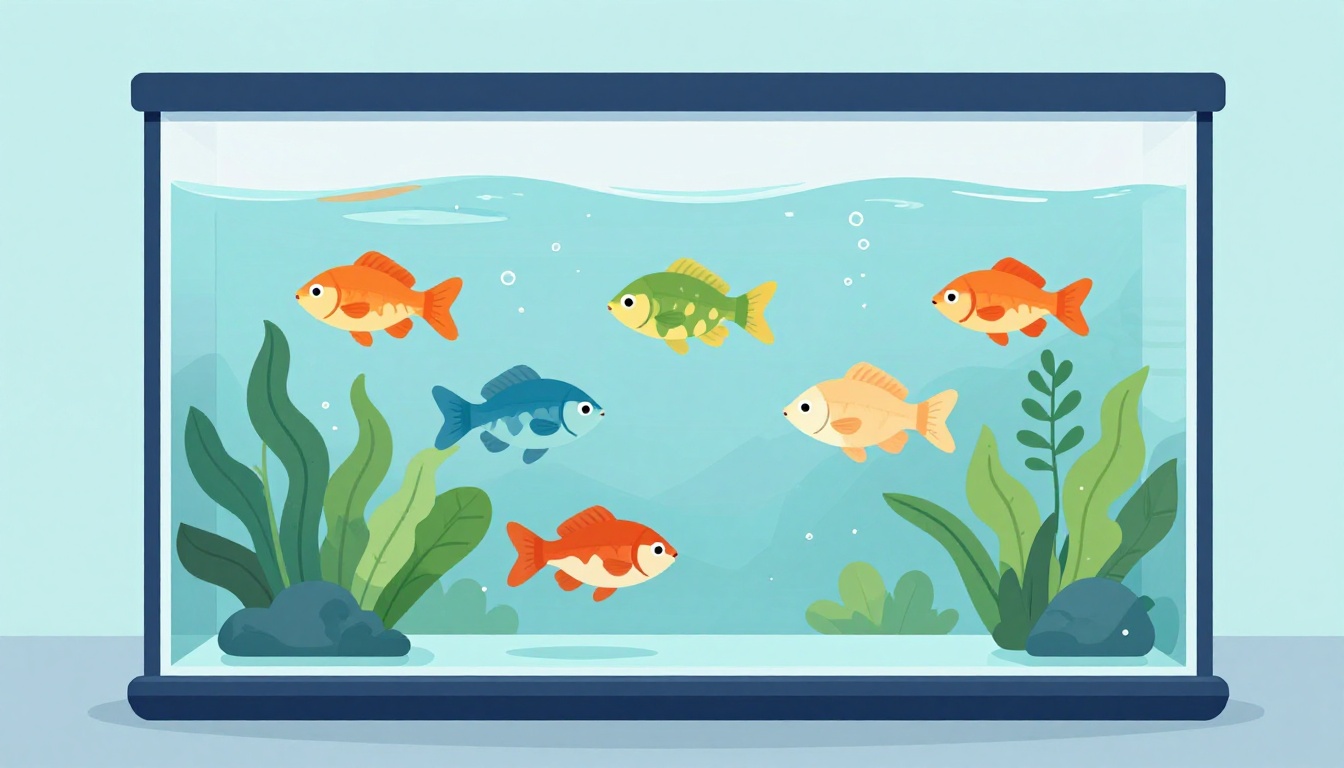
You stroll past your aquarium one evening and spot your fish gasping at the top, fins fluttering in distress. Ever seen that heartbreaking sight? It hits hard because those lively swimmers suddenly look so stressed.
Fish don’t gulp air like we do. They pull oxygen straight from the water through their gills. Most of that oxygen slips in at the surface, but calm water traps it outside.
That’s where surface agitation steps in. Gentle ripples or bubbles break the still layer, so oxygen mixes in faster and deeper. Without it, your tank turns into a low-oxygen zone quick.
Good oxygenation keeps everything humming. Your fish dart around full of energy. Plants grow lush and green. Plus, you dodge nasty problems like fin rot or sluggish behavior that sneak up on poorly aired tanks.
Stick around because we’ll break down oxygen basics first. Next, you’ll see exactly how agitation pulls its weight. Then grab simple steps to add it in any tank size, even troubleshooting tweaks if things go sideways. You’ll have your fish breathing easy by tonight.
Why Oxygen Levels Make or Break Your Aquarium
Oxygen hides in your aquarium water as dissolved oxygen, or DO. Fish grab it through their gills, like pulling invisible food from a stream. Most tropical fish need 5-8 ppm to thrive; below that, stress sets in fast.
Plants help by pumping out oxygen during bright days via photosynthesis. At night, though, they switch and use it up. Beneficial bacteria rely on DO too. They break down waste in the filter through nitrification, turning toxic ammonia into safer nitrates. Low oxygen lets bad anaerobic bacteria take over, stinking up the tank.
Several factors drain DO quick. High temperatures hold less oxygen, so a warm 82-degree tank struggles more than a cooler one. Overstocking packs in too many fish, each demanding their share. Decaying food or dead plants suck it up as they rot. Surface agitation fixes this by rippling the top layer. It pulls fresh oxygen from the air right into the water column.
You see the demands play out daily. Let’s look closer.
Daily Oxygen Demands from Busy Tank Life
Fish burn oxygen hardest when active. They guzzle more at night without plant help or during feeding frenzies. A single betta in a 5-gallon tank sips steady. Add tetras, though, and the bill climbs.
Plants flip roles with light cycles. Sunlight sparks oxygen release by day. Darkness flips them to consumers, matching fish night needs. In a planted community tank, this balance shines. Goldfish bowls? Not so much; those messy eaters spike demands.
Beneficial bacteria chug DO nonstop for nitrification. They process fish waste around the clock. Skimp here, and ammonia builds.
Tank type sets limits. Community setups with small tetras or guppies handle 1 inch of fish per gallon. Goldfish need more space; their waste loads hit harder. Picture a 20-gallon tank. It supports 10-15 small tetras easy. Big goldfish? Drop to 2-3 max, or oxygen crashes.
Stock smart. Match fish size and activity to your setup. Overdo it, and agitation alone won’t save the day.
Trouble Signs Your Tank is Running Low on Oxygen
Spot trouble early, and you act fast. Fish often pipe at the surface first, gulping air in desperation. Watch for these clues:
- Gasping or piping: Mouths break the water line often.
- Rapid gill movement: Gills flap like tiny fans on overdrive.
- Clamped fins: Fins tuck tight against the body.
- Sluggish swimming: Fish hover listless instead of darting.
- Pale gills: Healthy red turns white or gray.
- Increased aggression: Stress sparks fights over the best spots.
- Algae overgrowth: Low DO favors slime on glass and rocks.
Indirect hints scream too. Cloudy water signals bacterial imbalance. Foul smells mean anaerobic bacteria thrive in oxygen voids.
Check temperature right away. Warmer water (over 80 degrees) grips less DO. Test with a kit; aim above 5 ppm.
Compare behaviors side-by-side:
| Sign | Healthy Oxygen Levels | Low Oxygen Levels |
|---|---|---|
| Fish Position | School mid-tank, explore freely | Cluster at surface, hover low |
| Activity Level | Energetic darts and plays | Slow, lethargic, or frantic |
| Gill Color | Bright red, steady movement | Pale, rapid or labored flaps |
| Fin Position | Fins spread wide, flowing | Fins clamped tight to body |
| Overall Vibe | Peaceful community interactions | Aggression or isolation |
Ramp up surface agitation now. Bubbles or a gentle filter outflow restore balance quick. Your fish thank you with flips and color.
How Surface Agitation Pulls Oxygen Straight from the Air
Still water in your aquarium forms a thin boundary layer right at the surface. This slick film blocks oxygen from entering and traps carbon dioxide inside. Agitation breaks it apart, so fresh air mixes in while waste gases escape. Think of stirring sugar into iced tea; without movement, it sits undissolved at the bottom, but a quick swirl pulls it through fast.
Ripples boost this process by expanding the water’s contact with air. More surface area means quicker gas exchange. Pumps create direct ripples from outflows, while airstones rely on rising bubbles. Both work, but surface-focused methods stay natural and cheap. They also improve overall circulation without extra gear. Plus, you cut CO2 buildup, which plants love during the day.
Picture a simple diagram: calm water shows a flat line with a shaded boundary layer. Agitated water ripples with arrows pulling O2 down and pushing CO2 up. This visual nails how agitation refreshes the exchange nonstop.
The Simple Science of Ripples and Gas Exchange
Oxygen flows by diffusion, always from high concentration to low. Air holds way more oxygen than your tank water does. So, it rushes in across the surface. However, that boundary layer slows everything down in calm setups.
Agitation shatters this layer constantly. Fresh water rises to meet the air each time. Watch a slow-motion video of ripples; you see the surface renew over and over, like waves erasing footprints in sand. This pulls oxygen deep into the tank.
Ripple size matters too. Gentle waves suit bettas; they avoid stress from strong currents. Goldfish handle bigger splashes because they need more oxygen for their active swims. Match the motion to your fish, and efficiency soars. In addition, temperature plays a role; cooler water grabs oxygen easier, so agitation shines in warm tanks.
Factors like tank depth affect results. Shallow setups respond quick to ripples. Deeper ones need steady flow. Test your setup by dropping a small oxygen tablet; watch how fast it dissolves with agitation on.
Surface Agitation vs Bubblers: Which Wins for Oxygen?
Surface ripples oxygenate the top layer directly. They refresh water exposed to air moment by moment. Bubbles rise from the bottom, burst at the top, and release oxygen there too. Yet, they also stir the whole tank for better mixing.
Ripples win on quiet operation. No humming pumps disturb shy fish like cichlids. They cut stress for jumpers, such as hatchetfish. Bubbles, however, excel in tall tanks. They circulate oxygen downward better than surface-only methods.
Each has trade-offs. Ripples cost less upfront; just angle your filter. Bubbles need an air pump and stone, but they handle heavy bioloads. Fish in overstocked community tanks benefit from the extra push.
Consider a hybrid approach for best results. Point your filter outflow to ripple the surface, then add a low-flow bubbler for depth. This combo maximizes oxygen without overwhelming sensitive species. Meanwhile, monitor your fish; lively behavior confirms success.
| Method | Best For | Pros | Cons |
|---|---|---|---|
| Surface Ripples | Shallow, sensitive fish | Quiet, low-cost, natural | Less depth circulation |
| Bubblers | Deep, high-bioload tanks | Full mixing, strong oxygen | Noisy, potential stress |
| Hybrid | Most setups | Balanced oxygen everywhere | Slight extra setup |
Start simple with ripples. Upgrade if your tank demands more. Your fish breathe easier either way.
Easy Ways to Ramp Up Surface Agitation in Any Tank
You want more oxygen in your tank without big changes. Start with simple tools and tweaks that fit any setup. These methods create ripples fast, so your fish get fresh air right away. Pick one, test it, and watch your tank come alive. Beginners love these because they work step by step.
Air Stones and Pumps for Bubbly Ripples
Air stones pair with pumps to push bubbles up. They burst at the surface and create gentle ripples. This pulls oxygen in while keeping things quiet.
Pick the right size first. Match your pump to tank gallons. A 10-gallon tank needs a small pump at 1-2 watts. Bigger 55-gallon setups call for 5-10 watts. Quiet models from brands like Tetra or Hygger hum low, so they won’t spook fish.
Follow these steps to set up:
- Attach the airline tubing to your pump outlet.
- Add a check valve inline; it stops water from flowing back into the pump during power outages.
- Rinse the air stone, then place it near the surface or filter outlet. Aim for 1-2 inches below the water line.
- Plug in the pump and adjust flow. Start low, then increase until you see steady ripples without big splashes.
Secure the stone with suction cups. For nano tanks under 10 gallons, use mini pumps. Larger tanks handle stronger ones. Shrimp or bettas need low flow, so dial it back if they hide.
Costs stay low. Check this breakdown:
| Equipment | Price Range | Best For |
|---|---|---|
| Basic Air Pump | $10-15 | Small tanks (5-20 gal) |
| Air Stone + Tubing | $5-10 | All sizes |
| Quiet Pump Kit | $15-20 | Peaceful setups |
| Check Valve | $3-5 | Every install |
Clean the stone monthly by soaking in vinegar. Replace it yearly. Your fish react quick; more activity means it’s working.
Powerheads and Filters to Create Constant Movement
Powerheads push water for nonstop ripples. Hang-on-back (HOB) filters work too when aimed right. They keep oxygen flowing without extra noise.
Angle the outflow bar upward. Point it at the surface for ripples, not straight down for splashes. Spray bars spread flow even across the back glass.
Install like this:
- Rinse all parts before setup.
- Mount the powerhead or HOB filter on the tank rim.
- Adjust the nozzle 45 degrees toward the surface.
- Turn on and test flow. Gentle waves should form; tweak if needed.
- For even coverage, add a spray bar extension.
Nano tanks suit mini powerheads at 50-100 GPH. Large 100-gallon tanks need wavemakers up to 500 GPH. Match shrimp tanks to low settings around 100 GPH total.
Safety first. Secure units so they don’t fall. Check cords away from water. Clean filters and heads monthly; debris cuts flow and builds bacteria.
In addition, HOB filters double as agitators. Tilt the outflow up, and you save money. Fish perk up in hours because oxygen spreads fast.
Gentle DIY Tricks Without Buying New Gear
No budget? Repurpose what you have for ripples. These hacks create movement naturally and suit any tank.
Start with your filter outlet. Raise it higher or add a bend. Point it to skim the surface and make waves.
Try these easy tweaks:
- Sponge filter aim: Position the sponge near the top. Rising bubbles hit the surface for soft ripples.
- Airstone on timer: Run your existing stone 30 minutes hourly. It saves energy and prevents constant noise.
- Swaying plants: Tall stems like Vallisneria move with flow. They break the surface gently as water laps.
- Driftwood mini falls: Stack natural driftwood under the outflow. Water cascades over for a tiny waterfall effect.
For rock waterfalls, glue smooth river stones in a slope. Secure with aquarium-safe silicone. Nano tanks love plant sways; big ones need driftwood stacks.
Watch your fish close. Start small, like one tweak at a time. If they swim lively, add more. Maintenance stays simple: rinse plants weekly and check wood for slime.
These steps boost oxygen without stress. Your tank feels refreshed, and fish thank you with bright colors. Test one today.
Fine-Tuning Agitation to Keep Things Balanced
You nailed the basics of surface agitation, but balance matters most. Too little leaves fish gasping in stocked tanks. Too much stresses bettas with constant splashes and speeds evaporation. Therefore, monitor closely and adjust as needed. In summer, crank it up because warm water holds less oxygen. Pair agitation with plants for extra help, but cut light to curb algae. Most importantly, combine it with strong filtration; agitation alone won’t handle waste.
Tools to Check If Your Oxygen Levels Are Spot On
Grab simple tools to measure dissolved oxygen, or DO. Test strips cost about $10 and work fast for beginners. Digital meters run $20 to $50 and give precise reads.
Dip a strip in water for 10 seconds, then match the color pad to the chart. Results show in ppm within a minute. For meters, rinse the probe, submerge it mid-tank, and wait 30 seconds for the digital display.
Normal ranges vary by species. Tropical fish like tetras thrive at 5-8 ppm. Goldfish need 6-9 ppm because they guzzle more. Coldwater types such as trout demand 7-10 ppm. Below 4 ppm spells trouble for all.
Here’s a quick reference:
| Fish Type | Ideal DO Range (ppm) | Stress Threshold (ppm) |
|---|---|---|
| Tropical (Tetras, Guppies) | 5-8 | Below 4 |
| Goldfish | 6-9 | Below 5 |
| Bettas | 5-7 | Below 4 |
| Coldwater (Trout) | 7-10 | Below 6 |
Test weekly, especially after changes. Fish behavior confirms numbers; lively swims mean you’re good.
Avoiding Too Much or Too Little Movement
Spot excess agitation by a wet cabinet from splashes or fish hiding in corners. Bettas fin-clamp and dart less because strong currents tire them. Evaporation rises too, so top off water often.
Fix it quick. Lower pump flow with a valve. Add a diffuser on airstones to soften bubbles. Angle outflows away from the surface slightly.
Low movement shows in gasping fish or sluggish plants. Stocked tanks suffer first because demands outpace supply.
Boost it then. Add a second airstone or powerhead. Reposition filters for better ripples.
Observe fish daily alongside tests. Adjust seasonally; summer heat needs 20% more flow. Long-term, upgrade pumps for bigger tanks. Agitation pairs best with filtration to process waste fully.
Quick check: Is agitation enough alone? No. It oxygenates water, but filters remove toxins that steal oxygen.
Conclusion
Surface agitation pulls oxygen into your aquarium water fast and easy. It breaks that still top layer so fish breathe easy and avoid gasping at the surface. Therefore, your tank stays healthy with lively fish and green plants.
You now know simple ways to add ripples, from airstones to filter tweaks. Balance matters most, so check your oxygen levels and adjust flow for your fish. A gentle ripple keeps everything in check without stress.
Look at your tank surface right now. Does it move steady? Try one method this week, like angling your filter outflow.
Share your results in the comments below. What worked best for your setup?
Healthy surface ripples mean happy fish every time. Your aquarium will thank you with vibrant life! For more tips, check our guide on aquarium filtration next.